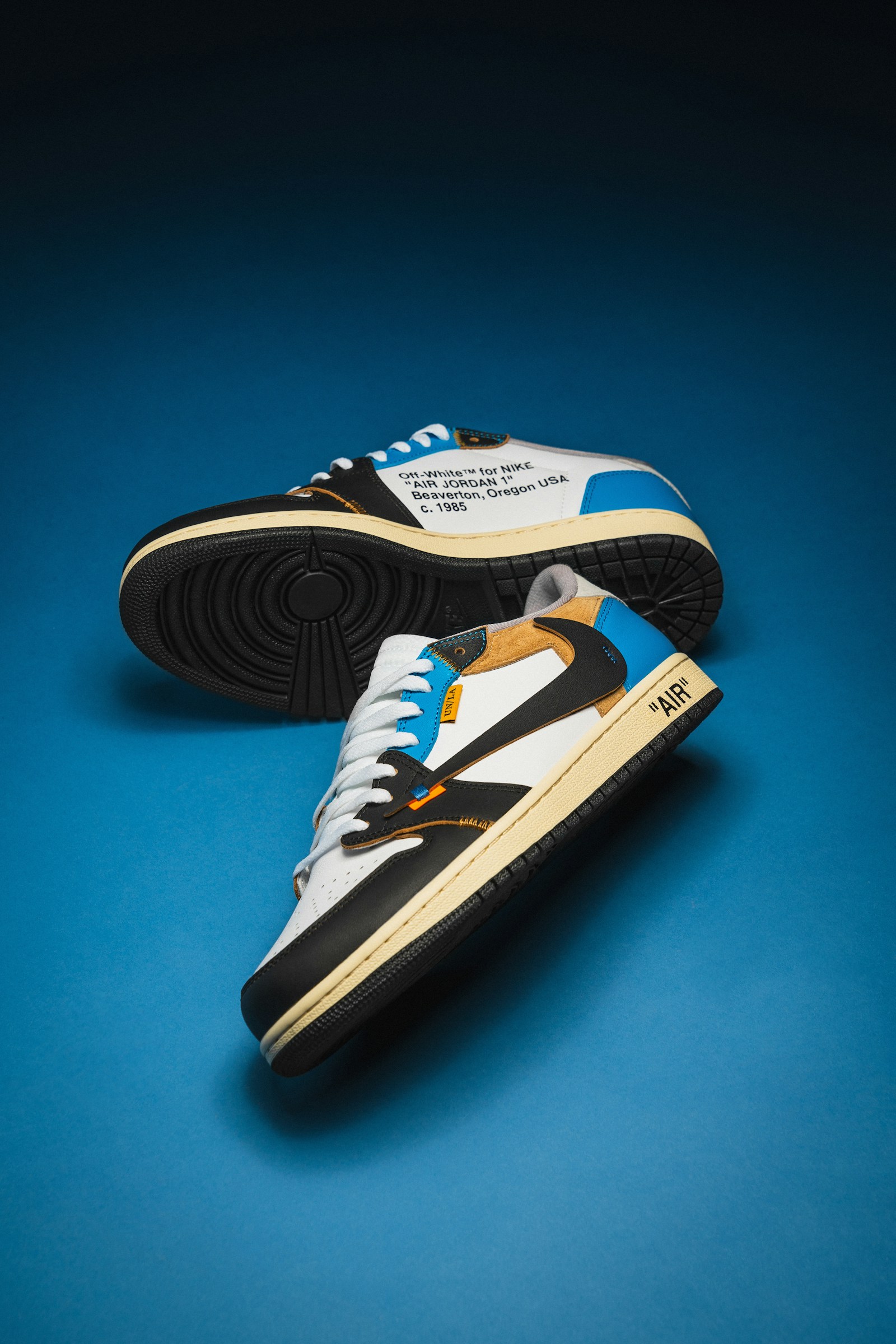
A sneaker can carry an enormous amount of conversation before anyone puts it on. A collaboration, a recognizable silhouette or a particular color can become shorthand for taste. But there is another way to approach the object: look at it as a small piece of design that has to negotiate the shape of a foot, the ground beneath it and the clothes around it.
The V&A’s contemporary fashion trail includes Feng Chen Wang’s collaboration with Converse on the Jack Purcell. Placing footwear alongside other collected fashion objects invites visitors to consider it through material, form and creative authorship. That museum context is a useful reminder that a shoe can be examined beyond its resale story or its association with a famous wearer.
Start with proportion. A thick sole changes the visual balance between the foot and the trouser leg. A narrow toe creates a different line from a rounded one. The position of panels, seams and laces can make a familiar shape feel lighter, more technical or more heavily constructed. These observations do not require a preferred brand or a claim about which style is currently winning.
Color works in relation to those forms. A contrasting panel directs the eye toward a seam; a single-color upper can make texture more important. Wear adds another layer. Creases, softened edges and marks show how an object meets daily life. Whether you prefer a pristine finish or visible use, it helps to understand that both produce a distinct appearance.
This approach can make personal style more deliberate without turning it into a shopping assignment. Look at a pair you already own beside two different outfits. Notice what changes when the hem rises, the socks become visible or the surrounding palette becomes quieter. The most interesting decision may be how the shoe participates in the whole. A sneaker’s cultural meaning matters, but its design is already speaking before the label enters the discussion.
Sources & further reading
Original editorial feature. No firsthand reporting or interviews are claimed.