Shuffle is useful when you want company. An album played in order asks for a different kind of attention. Instead of treating each song as an isolated destination, you can listen for the routes between them: a change in tempo, a recurring sound, a stretch of quiet or a sudden burst of density. Those relationships can be as revealing as a standout chorus.
This is an editorial invitation, not a claim that every release hides a perfect narrative. Some albums are deliberately fragmented. Others bring together songs recorded across different sessions or creative periods. Hearing the published sequence first simply gives the work a chance to establish its own rhythm before a listener rearranges it.
Ableton’s introductory music lessons demonstrate how small musical ideas can be combined and changed over time. At album scale, a comparable listening question is useful: what arrives, what disappears and what returns? A sound that seems ordinary in one track may feel significant when it appears again after several songs. Contrast can make a familiar texture newly noticeable.
For a first pass, resist the urge to grade every track immediately. Write down three moments that change the atmosphere. They might be transitions between songs, a spoken fragment, an instrumental passage or a closing note that hangs longer than expected. On a second pass, ask how the surrounding tracks prepare those moments. Does the sequence build toward them, interrupt itself or offer a release?
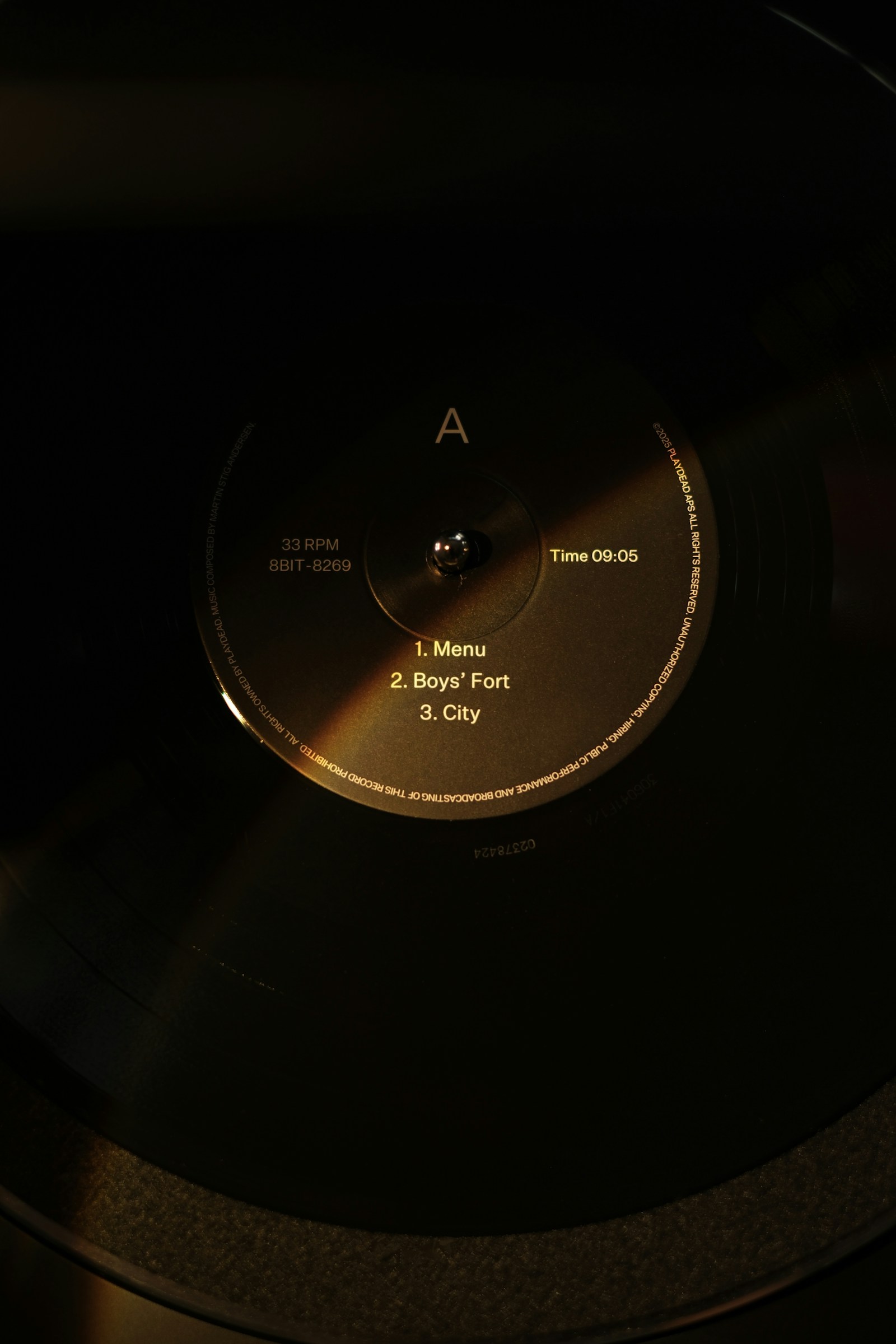
There is no obligation to prefer the complete album to its best single. Focused listening can lead you back to the same favorite with a clearer sense of why it works. The value lies in giving relationships time to emerge. For the length of one record, the next choice has already been made; your task is to notice what that choice does. A track list becomes more interesting when it is heard as an arrangement rather than a menu.
Sources & further reading
Original editorial feature. No firsthand reporting or interviews are claimed.