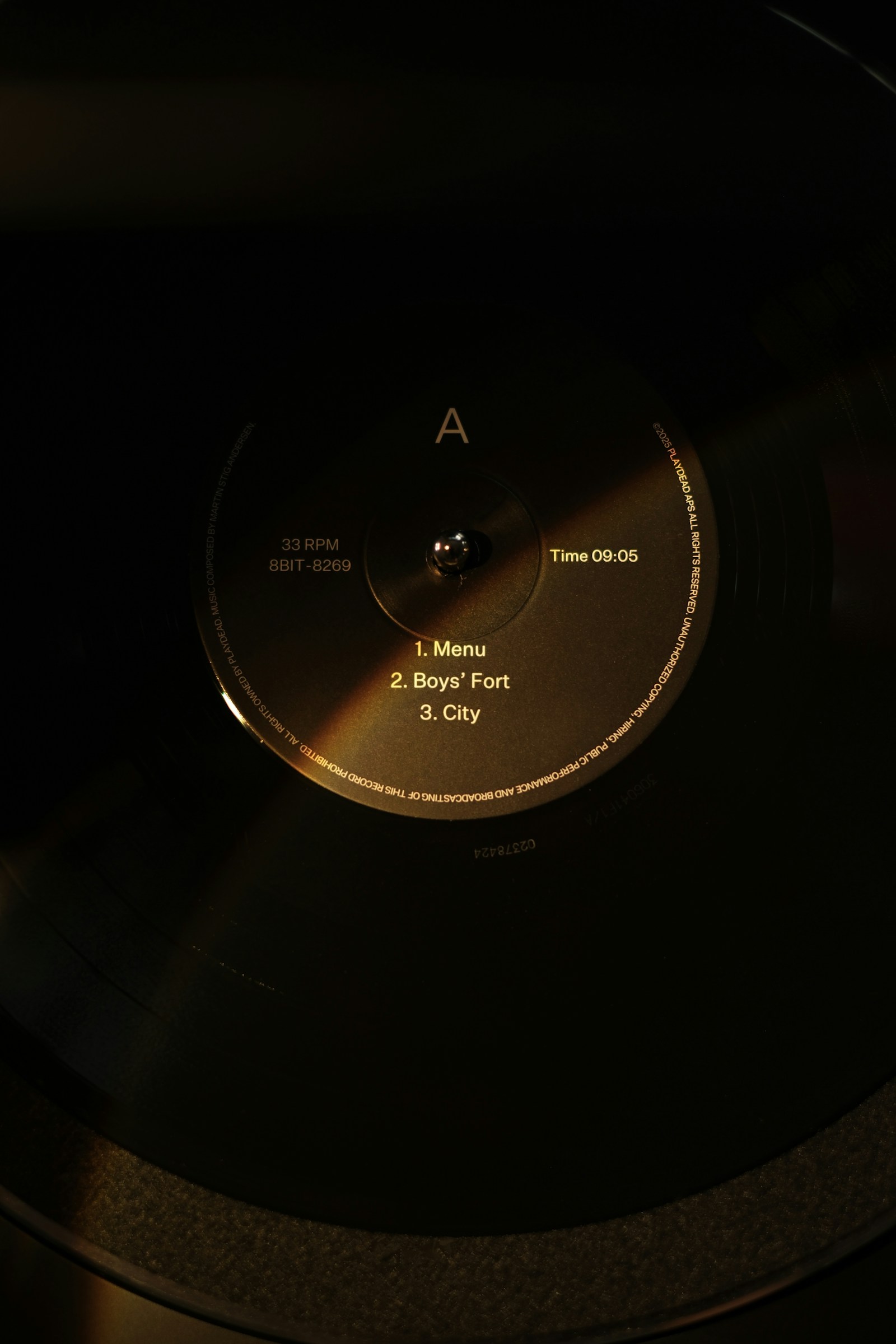
A favorite recording can feel like a private conversation with a single performer. Its credits often reveal a much larger room. Writers, instrumentalists, vocalists, producers and engineers may contribute in different combinations, and those roles are not interchangeable. Reading the names is a way of noticing the collaboration without reducing the music to a list of job titles.
The Recording Academy’s Give Fans the Credit campaign emphasized the contributions of creators whose names can be difficult to find in digital listening. Its guidance on recording metadata likewise calls for final, verified credits tied to the specific master. The underlying point is practical: accurate information helps connect the work people hear with the people who made it.
For listeners, credits can become a discovery tool. If the drums catch your attention, look for performance and production information. If a vocal seems unusually intimate, note the recording and mixing credits while remembering that many decisions shape the result. One name alone rarely explains an entire sound, and a credit is not a transcript of everything that happened in a session.
Follow connections with care. Finding the same producer on two recordings can offer a useful comparison, but it does not prove that every shared quality came from that person. Artists, studios, arrangements and collaborators all change. Listen for similarities, then let the differences challenge your first theory. Curiosity works better here than assigning ownership of every detail from a distance.
The habit also changes how a release enters your memory. A song becomes part of a network of working relationships instead of a sealed product. You may discover a musician whose playing you admire or an engineer whose projects reward closer listening. More importantly, you begin to see credit as part of the artwork’s public record. The names are not an interruption after the music; they are another route into it.
Sources & further reading
Original editorial feature. No firsthand reporting or interviews are claimed.