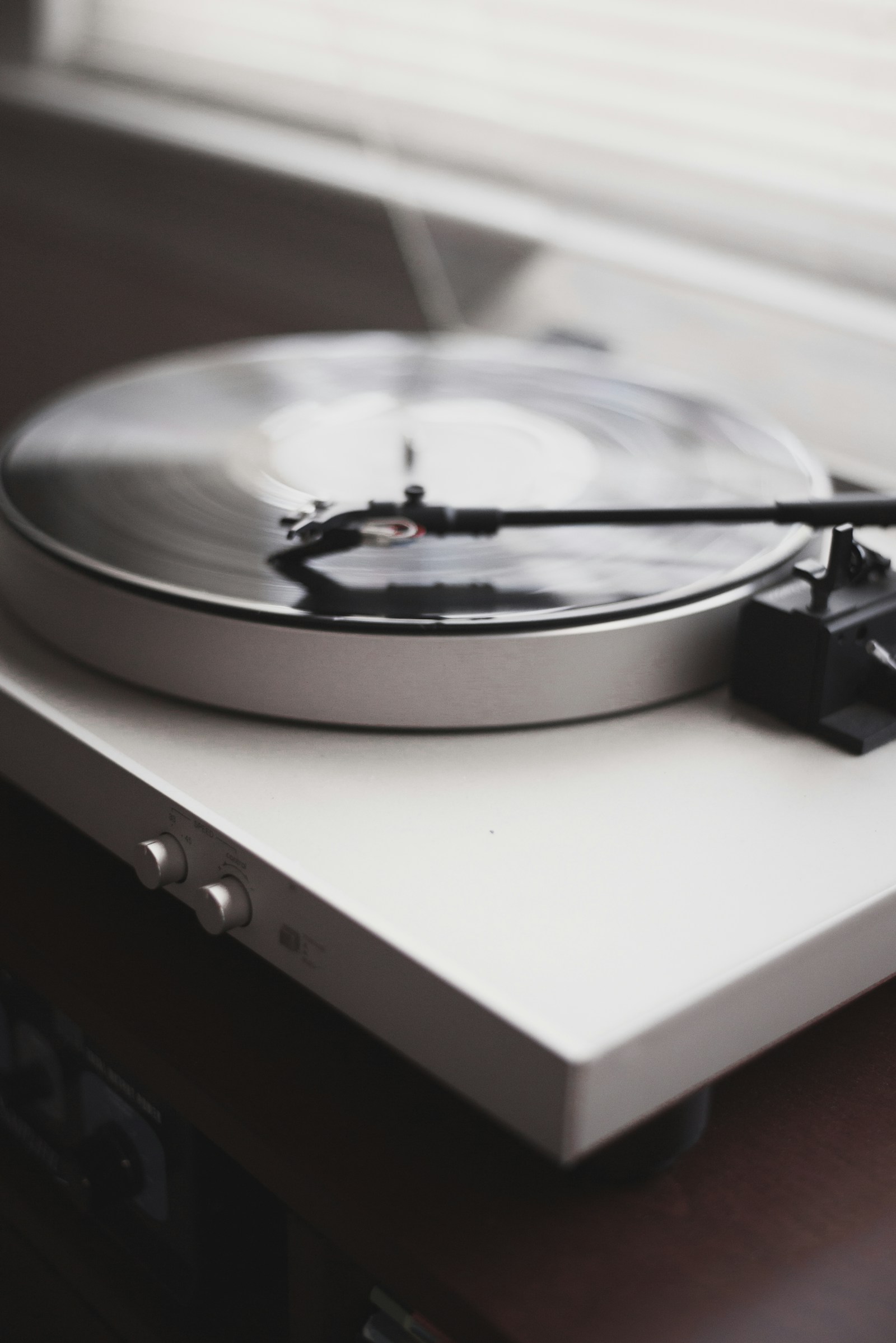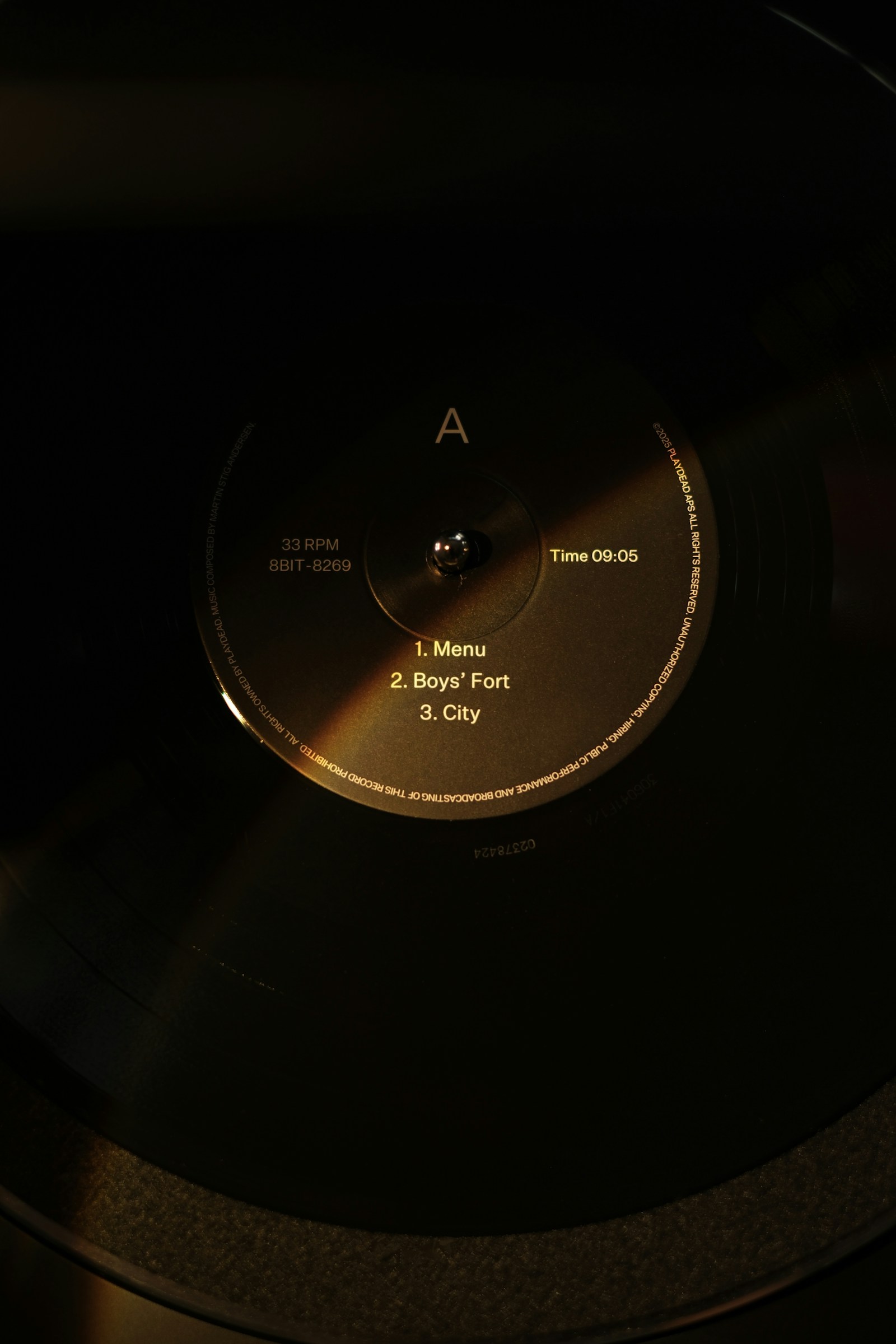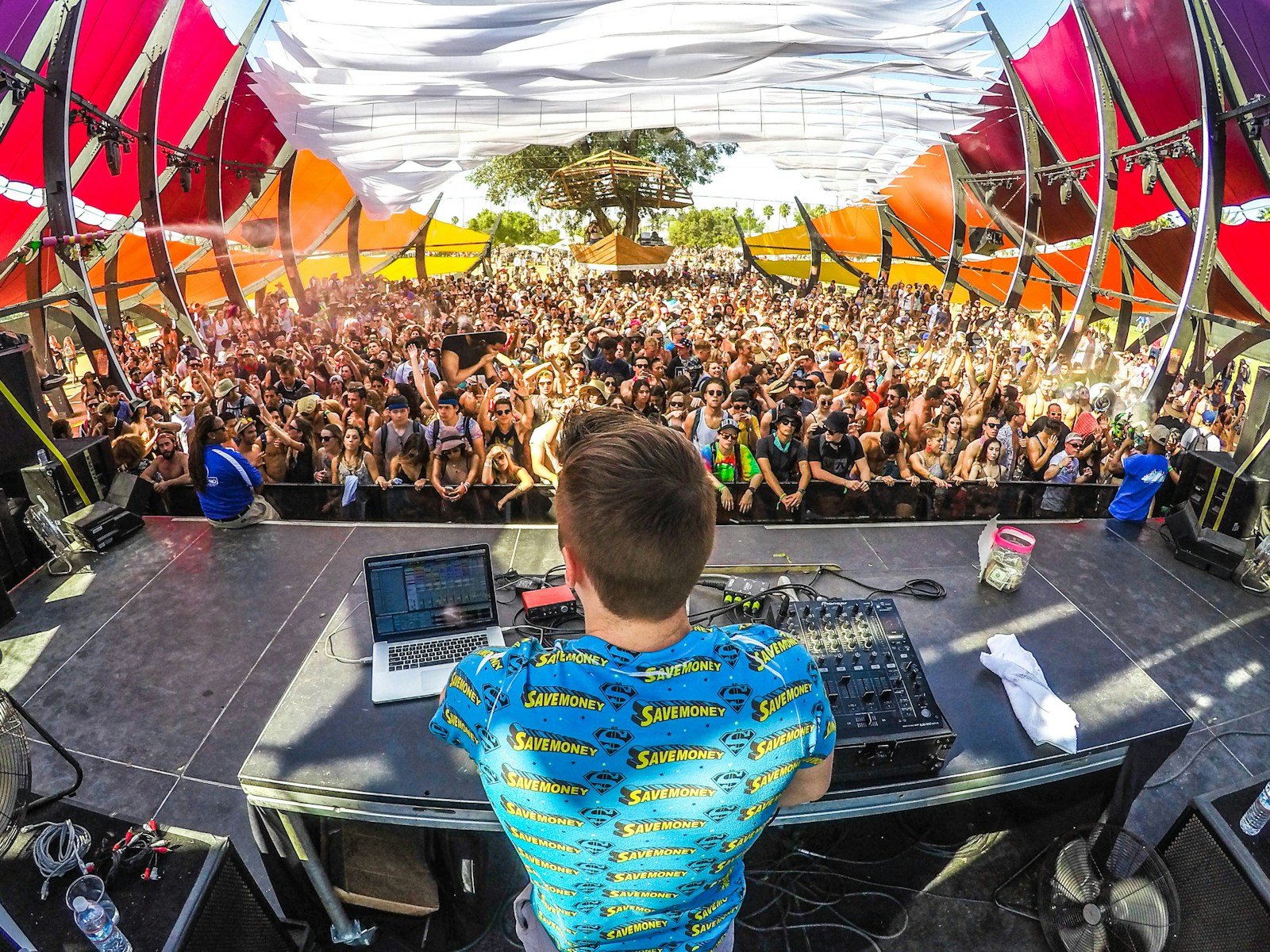
A record can be a finished object, something to place on a turntable and hear from beginning to end. It can also be raw material. Hip-hop’s foundational DJ practices made that second possibility impossible to ignore: the person selecting and manipulating recordings could become a performer with a musical language of their own.
Berklee’s account of hip-hop technology explains the central maneuver. With two turntables and a mixer, a DJ could alternate between records to extend a short break into a sustained rhythmic passage. The expressive decision began before the hands moved. Which moment deserved another turn? What part of a familiar recording might become the center of a new experience?
The Smithsonian’s discussion of Grand Wizzard Theodore’s turntables places these tools within a wider culture of repetition, exchange and movement. That context matters. A loop is not simply a technical shortcut. In a room full of dancers, repetition gives people time to recognize a pattern, answer it physically and anticipate the next change. The crowd becomes part of the meaning.
Try listening to a rhythm with that relationship in mind. Follow the drums instead of waiting for a chorus. Notice where the texture thins, where a fill interrupts the pattern and where a short passage seems to invite another repetition. These are listening exercises rather than rules for what a good break must sound like. Different selections produce different kinds of energy.
The larger lesson travels beyond a particular machine or decade. Musical invention can begin with attention: hearing an overlooked detail, changing its scale and placing it in a new conversation. A DJ’s set makes those decisions audible. The records carry their own histories, but the transitions, timing and combinations create something that belongs to the present room. That is why the turntable remains such a powerful symbol of creative possibility.
Sources & further reading
Original editorial feature. No firsthand reporting or interviews are claimed.