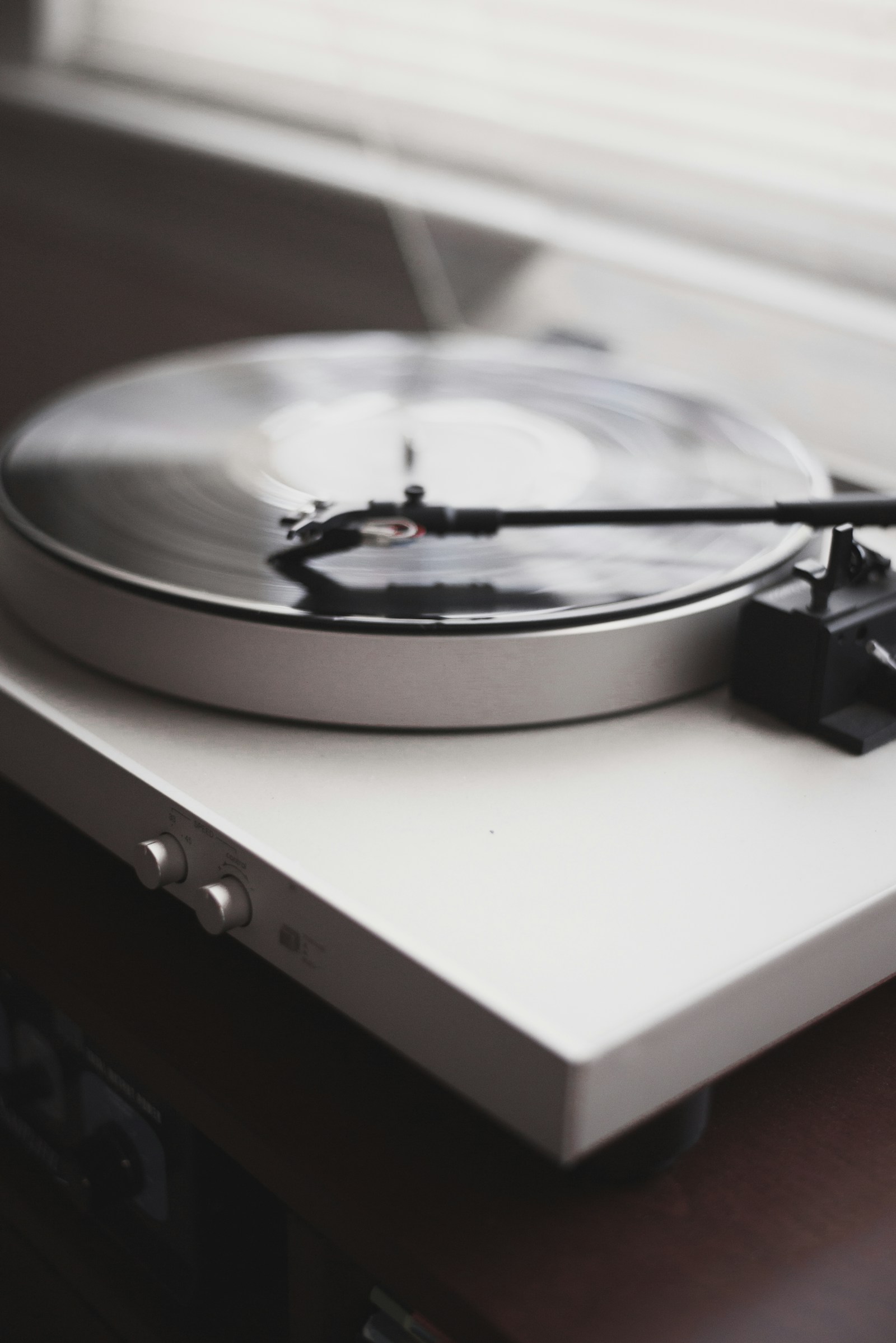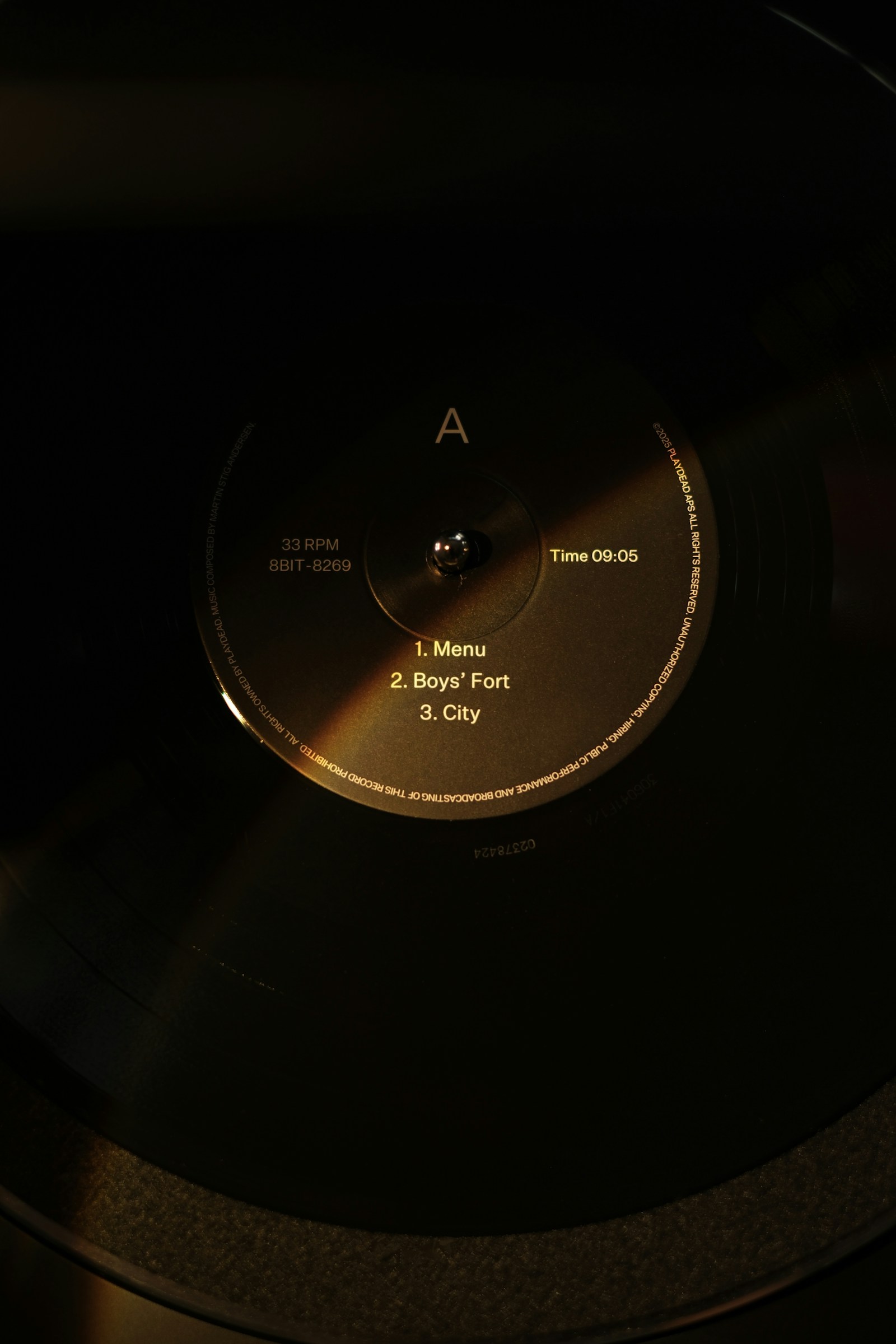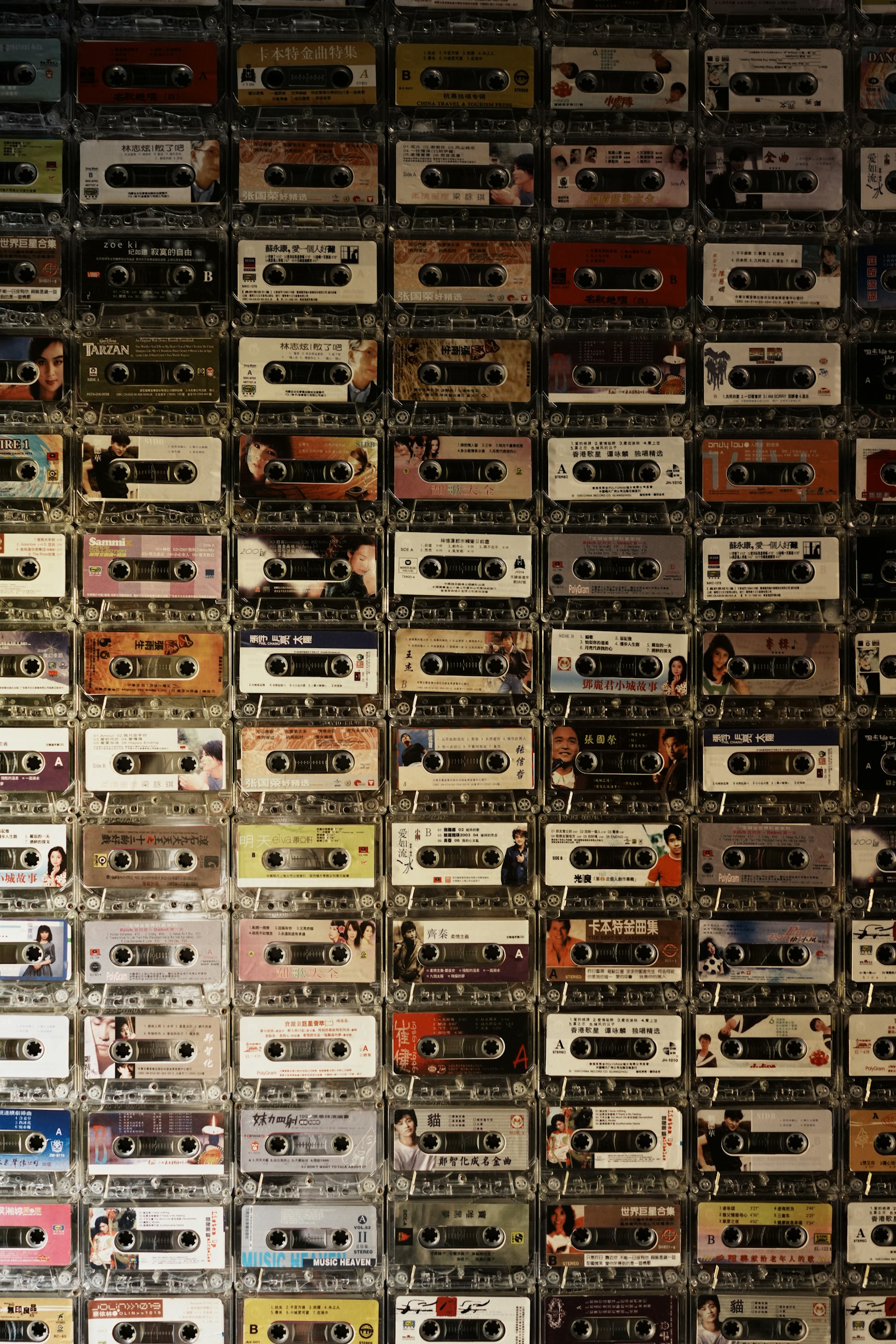
A recording can survive as an object and still become difficult to hear. The disc may remain on a shelf while the equipment needed to play it grows scarce or the material itself becomes vulnerable. Music preservation therefore asks two connected questions: how do we care for the source, and how do we keep its sound accessible?
The Library of Congress describes transferring recordings from original formats into high-resolution digital audio files as part of its preservation work. It also emphasizes the need to play the source properly during that process. The National Library of New Zealand’s guidance explains that grooved recordings can be easily scratched and that creating a copy is often important to preservation.
These institutional practices reveal why an archive is more than storage. A useful recording needs context as well as sound: what it is, where it came from and how the available copy relates to the source. Without that information, listeners may struggle to distinguish an original recording from a later transfer or understand the circumstances surrounding it.
For a personal collection, the same distinction is worth remembering even if your ambitions are modest. A labeled file and an unexplained file are not equally useful to a future listener. Notes about a family performance, a local show or a recording session can preserve meaning that the audio alone cannot supply. Keep factual notes separate from uncertain recollections rather than allowing guesses to harden into a record.
There is also an emotional argument for taking this work seriously. Culture contains far more than the recordings that become widely celebrated. A local voice, an ordinary rehearsal or an informal performance may matter deeply to a small community. Preserving access gives those sounds a chance to be encountered again. The archive is not simply a place where music stops moving; at its best, it makes another act of listening possible.
Sources & further reading
Original editorial feature. No firsthand reporting or interviews are claimed.